 1688
1688
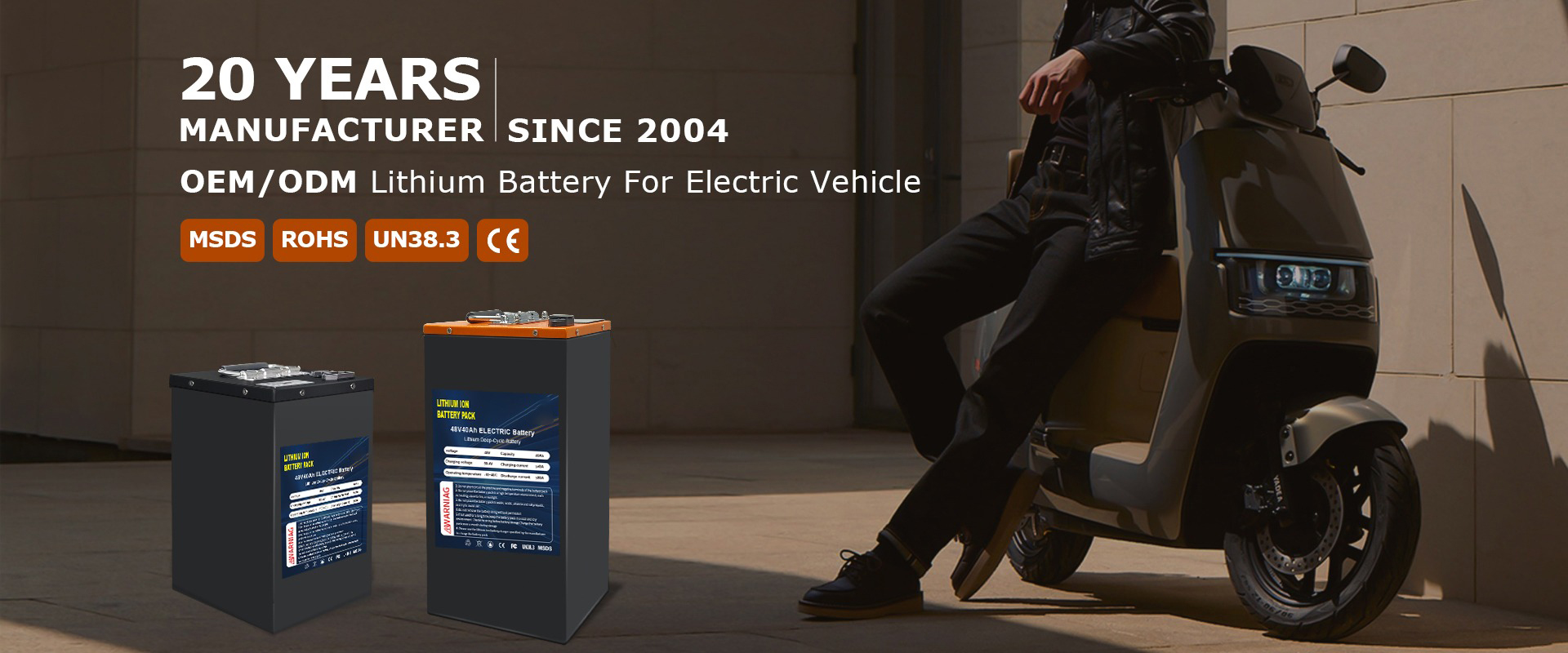
Lithium batteries mainly convert chemical energy into electrical energy through internal electrode oxidation reactions. The internal structure of lithium batteries is composed of the positive and negative electrode materials of the battery and the electrolyte. When the battery is repeatedly charged and discharged, the motor inside the battery will cause the electrode of the battery material to produce crystals, resulting in a decrease in the conductivity of the battery, that is, a decrease in the activity of lithium ions. This will lead to an increase in its resistance value and ultimately affect the capacity degradation of the battery. In fact, from the actual environment, it affects the battery degradation, including the voltage of charging and discharging, even the power of charging and discharging of the battery, and the temperature of the environment. The voltage of Bangliwei lithium iron phosphate batteries varies due to different materials, including 3.2V, 3.6V, 3.7V, 4.2V, 6.4V, 7.4V, etc At present, the main batteries used in new energy vehicles are ternary lithium batteries. Therefore, the starting point for ternary lithium batteries is that they are afraid of high temperatures in the environment, which can affect their service life. Of course, this also affects energy density. In terms of the power output of electric vehicles, battery degradation is mainly caused by the use of different charging and discharging rates to meet different driving conditions. The larger the charging and discharging rate, the faster the battery capacity degradation. In fact, this is mainly due to changes in the structure and properties of the material, which makes the diffusion of ions inside relatively difficult.

Scan the QR Code to start a WhatsApp chat with us.

Scan the QR Code with WeChat