 1688
1688
The 72V 60Ah lithium battery is a lithium-ion battery pack with a voltage of 72V and a capacity of 60Ah. It is the preferred power source for high-end electric motorcycles, electric tricycles, electric scooters and other high-power electric vehicles.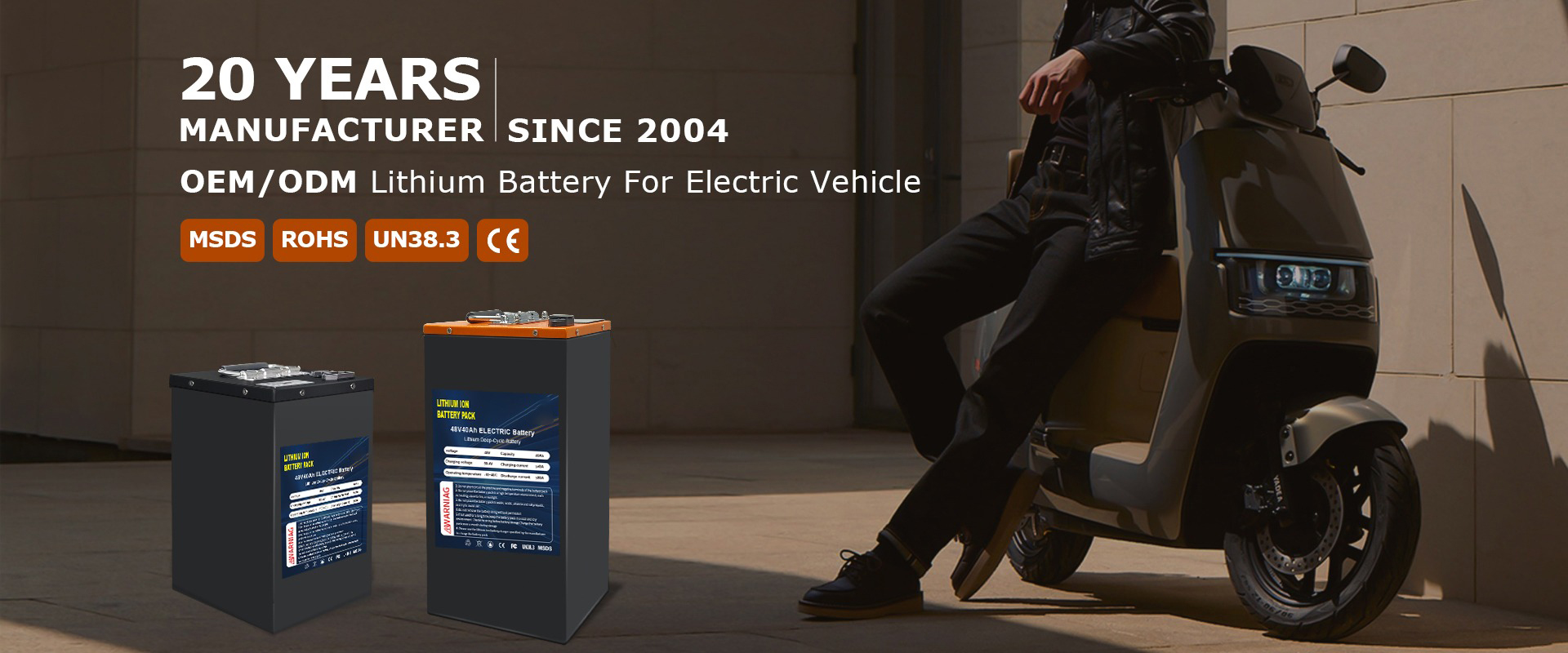
Voltage (72V): It determines the power intensity and speed of the vehicle. Compared with the common 48V or 60V batteries, the 72V high-voltage platform can offer stronger acceleration performance and a higher top speed.
Capacity (60Ah): This indicates the amount of electricity a battery can store. A higher capacity means a longer range, directly affecting the endurance of an electric vehicle. 60Ah represents a very large capacity, enabling a longer single-charge range.
Energy density: Energy density refers to the electrical energy per unit weight or volume. Generally, a 72V 60Ah ternary lithium battery weighs about 35-40 kilograms, while a lithium iron phosphate battery weighs about 45-50 kilograms. The higher the energy density, the lighter the battery of the same capacity will be.
Cycle life: The number of charge and discharge cycles before the battery capacity drops below 80%. High-quality products can reach 800 to 1200 cycles (equivalent to daily charging once, usable for 2 to 3 years).
Discharge rate (C discharge rate): It indicates the discharge speed. The common discharge rate range for a 72V 60Ah battery is 1C to 2C (the 72V 60Ah lithium battery from Domain Technology supports a 3C discharge rate). A higher rate can provide stronger instantaneous power (for example, more powerful during climbing or acceleration).
The main advantages of the 72V 60Ah lithium battery
Extremely long range: With an energy reserve of up to 4.32 kWh, the range can reach 150 kilometers (the specific mileage depends on the motor power and riding habits), completely eliminating range anxiety.
Strong performance: The 72V high-voltage platform provides stronger power support for the motor, enabling faster start-up, more rapid acceleration and better climbing ability. The performance improvement is particularly significant in electric motorcycles and high-speed electric bicycles.
Longer lifespan: The cycle life of the 72V 60Ah lithium battery exceeds 2000 times, which is usually 3-5 times that of lead-acid batteries.
Lightweight: Compared to equivalent-capacity lead-acid batteries, the 72V 60Ah lithium battery weighs only one-third to one-quarter of it. This significantly reduces the vehicle weight, improves energy efficiency, and frees up more space for vehicle design.
Support for fast charging: Most 72V 60Ah lithium batteries support 1C charging (LEAD-WIN’s 72V 60Ah lithium battery supports 3C charging). Combined with compatible chargers, it can be fully charged in 2-3 hours, significantly reducing waiting time.
Scope of application:
High-performance electric motorcycles
Food delivery/transport vehicles requiring long range
Heavy-duty electric tricycles
Elderly transportation vehicles/slow-speed four-wheel electric vehicles
Electric vehicle enthusiasts seeking the highest range and power performance
7 2V 60Ah Lithium Battery Purchase Guide
When choosing a 72V 60Ah lithium battery, price is not the only factor to consider. The following points are crucial:
Cell type
The 72V 60Ah lithium battery is mainly composed of lithium-ion batteries with lithium cobalt oxide and lithium iron phosphate. Each type of battery is suitable for different applications. Incorrect selection may lead to performance loss or safety hazards.
Tri-metallic lithium battery: This product is highly suitable for users in cold regions and those who value portability. Its advantages include high energy density (lightweight) and excellent low-temperature performance (able to operate normally at -20℃). The disadvantages include poor heat resistance (there is a risk of fire at around 200℃) and the need to avoid direct sunlight and overcharging.
Lithium iron phosphate battery: Suitable for high-temperature areas and users who prioritize safety. Its advantages include high temperature resistance (does not ignite even at 600℃) and extremely long cycle life (up to 1200 cycles). Disadvantages include poor cold-temperature performance (capacity significantly decreases below -10℃) and slightly heavier weight.
Battery Management System
The Battery Management System (BMS) is the “brain” of lithium batteries, responsible for monitoring the voltage, current and temperature of the batteries to prevent overcharging, overdischarging, short circuits and overheating. Its quality directly determines the safety and durability of the batteries.
A high-quality battery management system (BMS) has multiple protection functions, such as overcharge protection (power off when the voltage exceeds 78V), over-discharge protection (power off when the voltage drops below 60V), and over-temperature protection (power off when the temperature exceeds 60℃). It also has balancing functions (balancing the voltages of each cell to prevent individual cells from deteriorating too quickly).
The communication interface includes UART/RS485/CAN bus, which facilitates communication with the vehicle controller and enables the display of accurate battery power information.
Note: Low-priced products may use a “simplified battery management system” (BMS), which only supports basic short-circuit protection. Long-term use can lead to imbalance of the battery cells and shorten the battery lifespan.
Process and Structure
Welding Process: The battery pack is preferably welded using laser technology, which enables stronger connections, lower resistance, and higher safety.
Support and fixation: The battery cells should be arranged neatly, and reliable insulation supports should be used between them. The overall structure should be compact and shock-resistant.
Shell material quality and warranty
Manufacturer strength: Choose a lithium battery manufacturer that has independent cell assembly capabilities, export experience, and comprehensive after-sales service.
Warranty period: Preferentially choose brands that offer “warranty of the battery cell for more than 2 years” and “warranty of the entire battery pack for more than 3 years”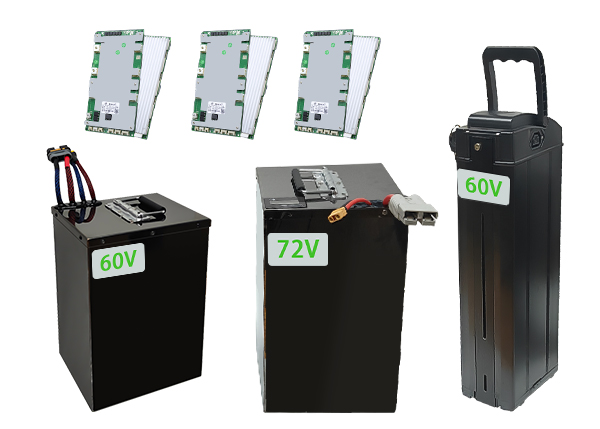
Estimated range of the 72V 60Ah lithium battery
Motor power of the vehicle
Average speed
Estimated mileage
1000W
40km/h
More than 180 kilometers
1500W
50km/h
About 130 – 150 kilometers
2000W
60km/h
About 120 kilometers
3000W
70km/h
About 80 to 110 kilometers
Note: During winter when the temperature is low, the activity of lithium batteries will decrease, resulting in a 20%-30% reduction in battery lifespan. This is a normal phenomenon.
The use and maintenance of 72V 60Ah lithium batteries
Proper use and maintenance can extend the lifespan of 72V 60Ah lithium batteries by more than 30%, and the key lies in “avoiding damage to the battery cells”.
Charging: Charge as needed to avoid overcharging and overdischarging.
Charge the battery when its remaining capacity is between 20% and 30%. Immediately disconnect the power source after it is fully charged (avoid charging for more than 8 hours, especially overnight charging).
Please use the original brand charger. Using chargers with different voltages or currents will result in overcharging or incomplete charging (for example, a 72V charger cannot be used for a 60V battery).
Storage: Please store in a dry and well-ventilated place, avoiding extreme temperatures.
When not in use for a long time (for example, during winter), please charge the battery to 50%-60% and store it in a dry environment at 0-25℃. Avoid direct sunlight, rain, or being close to heat sources (such as radiators or stoves).
Charge the battery every 1-2 months to prevent irreversible performance degradation caused by the loss of the battery cells.
Usage instructions: Avoid excessive discharge
Reduce frequent rapid acceleration and braking, and avoid long uphill driving (for example, the duration of uphill driving when the vehicle is heavily loaded should not exceed 5 minutes), to prevent excessive current discharge of the battery and damage to the battery cells.
Regularly check whether the battery connection lines are loose or oxidized. If poor contact is detected, clean or replace the terminals immediately.
Cleaning: Handle the battery with care to prevent any damage. Avoid getting it wet.
When cleaning the surface of the battery, use a dry cloth or a damp cloth for wiping. Avoid directly rinsing with water. (Even if the battery pack is waterproof, prolonged contact with water may still corrode the battery management system.)
If water accidentally gets into the battery, please immediately disconnect the power cord, allow the battery to dry, and have a professional inspect and confirm that there are no faults before using it again.
Check: Regularly inspect potential issues.
Every 3-6 months, have professionals check the voltage balance of the battery cells. If the voltage of a single cell differs by more than 0.3V from the voltages of other cells, immediately repair it to prevent individual cell voltages from excessively degrading and affecting the entire battery pack.
How far can the 72V60Ah lithium battery last?
Answer: This is a comprehensive question, and it mainly depends on:
Motor power: For instance, a 1500W motor is more energy-efficient than a 3000W motor.
Speed: The faster the speed, the greater the wind resistance and the higher the power consumption.
Road conditions and load: Frequent starts and stops, climbing slopes, and heavy loads will increase power consumption.
Environmental temperature: Low temperatures will reduce the battery’s activity, resulting in a shorter driving range.
Approximate estimation: For a 1500W electric motorcycle, traveling at a moderate speed on a flat road, the driving range is approximately 150 kilometers; for a 3000W electric motorcycle with higher power, the driving range may be around 120 kilometers.
Can a 72V 60Ah lithium battery replace a 72V 50Ah lead-acid battery?
Answer: If the voltage is the same, the lithium batteries can be interchanged. However, two points need to be noted: First, pay attention to the size of the battery compartment. Lithium batteries are lightweight and need to be securely fixed to avoid shaking. Second, the charger for lithium batteries is different from that of lead-acid batteries. A 72V lithium battery-specific charger must be used.
Conclusion
With its powerful performance, long driving range and reliable safety, the 72V 60Ah lithium battery has become the preferred solution for high-power applications such as electric motorcycles and electric tricycles. When purchasing, you need to first clarify your intended use (region, load capacity and range requirements), and then make a choice based on four key dimensions: cell type, battery management system (BMS) quality, brand qualifications and after-sales service. Correct usage and maintenance can also extend the battery life. Whether you are a distributor, an electric motorcycle manufacturer or an individual user, choosing a high-quality 72V 60Ah lithium battery is a crucial step in enhancing vehicle performance and fuel economy.